Front FPart F · Travelling № 36
Travelling
Road Trip Essentials: A Packing List for the Car
Road trip essentials sorted by zone: papers, safety kit, chargers, food and comfort items, plus a simple road trip checklist for the night before you leave.
4 minutes
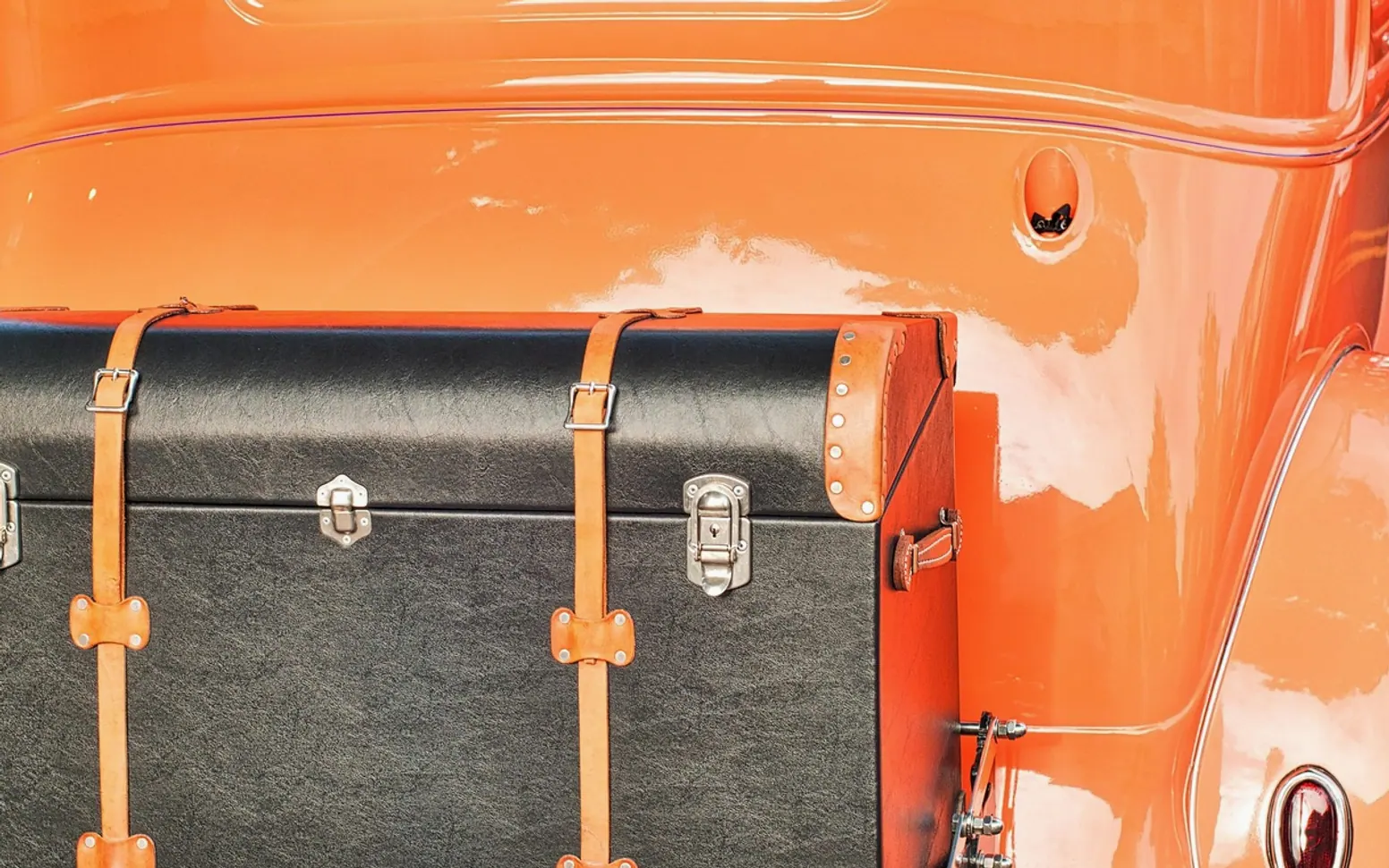
Packing for a road trip is less about what goes in the suitcase and more about what stays within arm's reach. The essentials fall into five groups: documents, a safety kit, power and navigation, food and drink, and comfort. Sort them into zones in the car and the whole trip runs more smoothly, because nobody is digging through the boot at a lay-by looking for a phone cable.
Think in zones, not bags
A car has natural storage areas, and each suits different items. Deciding where things live before you pack saves a lot of rummaging later.
| Zone | What belongs there |
|---|---|
| Glovebox | Vehicle papers, a small torch, tissues, a pen, a paper map |
| Driver's door pocket | Sunglasses, coins or a card for tolls and parking, a water bottle |
| Front passenger footwell | A small bag with chargers, snacks and the day's essentials |
| Back seat | A games pouch, pillows, a blanket, wipes, a rubbish bag |
| Boot | Luggage, the cool box, the safety kit, spare layers and shoes |
Documents and money
- Driving licence for everyone who will take a turn at the wheel.
- Vehicle registration and insurance details, plus breakdown cover information if you have it.
- Booking confirmations for overnight stops, saved offline as well as on your phone.
- A payment card and a little cash, since some car parks, tolls and roadside stalls still prefer coins or notes.
- For a rental car, the rental agreement and the company's emergency number.
If you are crossing a border, check what that country asks drivers to carry. Some places require items such as a warning triangle, reflective vests or a sticker showing where the car is registered, and the rules change from place to place.
The safety kit
Most of this lives in the boot and, with luck, never gets used. It is still the part of the packing list that matters most.
- A first aid kit, checked for out-of-date items before you go.
- Jump leads or a portable jump starter.
- A tyre inflator or foot pump, plus a quick look at the spare wheel or repair kit.
- A torch with fresh batteries, or a rechargeable one that is actually charged.
- A warning triangle and a high-visibility vest for each adult.
- A blanket and a bottle of water in case of a long wait at the roadside.
- An ice scraper and de-icer for cold-weather trips.
Power, phones and navigation
Phones now do the job of the map, the music system and the guidebook, so keeping them charged is a priority. Pack a multi-port car charger and long enough cables to reach the back seat. A small power bank covers stops where the car is switched off for a while.
Download offline maps for the whole route before you leave. Signal often drops in hills, forests and remote stretches of coast, which tend to be the scenic parts of a drive. A paper road atlas in the glovebox is a cheap backup that never runs out of battery.
Food and drink
Snacks keep spirits up and stop expensive, rushed service-station stops. Aim for things that are not sticky, crumbly or likely to melt:
- Refillable water bottles for everyone.
- Fruit that travels well, such as apples, clementines and grapes.
- Crackers, nuts, oatcakes or pretzels in resealable tubs.
- Sandwiches or wraps for the first day, kept in a cool box with ice packs.
- A flask of coffee or tea. A pot brewed before you leave keeps well; the method in our French press coffee guide suits an early start.
Add a roll of kitchen paper, wet wipes and a couple of spare bags for rubbish. A car that stays tidy feels bigger by day three.
Comfort and entertainment
- Neck pillows and a light blanket for passengers who want to nap.
- Layers that are easy to take off and put on, because the temperature in a car changes with the sun.
- Comfortable shoes for stretching your legs at stops.
- Downloaded playlists, podcasts and audiobooks, since streaming can stall in poor coverage.
- A pouch of games and cards. Our round-up of road trip games for kids and adults has ideas that need no kit at all.
A road trip checklist for the night before
- Check tyre pressures and tread, oil, coolant and screen wash.
- Fill the tank or charge the car, so the first morning starts without a detour.
- Charge every phone, power bank and torch.
- Download maps, music and booking confirmations.
- Freeze ice packs and prepare the cool box contents.
- Pack the boot with heavy items low and towards the back seats, and keep the safety kit where you can reach it without unloading everything.
- Leave the front bag and snacks by the door so they are not forgotten.
Common packing mistakes
Burying the things you need often
Overnight bags for a single stop should go in last, so you can lift them out without unpacking the whole car. Some travellers pack one small shared bag for each night instead of opening every suitcase.
Overpacking the cabin
Loose items on the parcel shelf or back seat can block the rear view and move around under hard braking. Keep the cabin for soft items and things you use every hour.
Forgetting the return leg
Leave some space for things you pick up along the way. A foldable bag tucked into the boot handles the extras on the way home.
Once the car is packed, the cool bag comes next. Our list of road trip snacks that travel well covers food that survives a warm car without crumbs or mess.
Questions? Write to us.
Suggestions help us plan.
Further in section F · Travelling
-
 Travel Journal Ideas: What to Write, Stick and Sketch · 4 minutes
 -
 Road Trip Snacks That Travel Well (and Won't Wreck the Car) · 4 minutes
 -
 Road Trip Games for Kids and Adults · 5 minutes