

- IPTV Services That Are Redefining Home Entertainment2 minutes
- From Cable to IPTV: France’s Entertainment Evolution2 minutes
- The Success Story of IPTV Expansion Across France2 minutes
This weekend
Everyday curiosities, explained in plain words
Fresh guides on screens at home, clever online tools, trips, gifts and weekend projects. We ask the next question so your Saturday plans get simpler.
44 pieces · 11 parts
Snip along the line
2minutes
The Convenience of IPTV for Busy Swiss Professionals and FamiliesAEntertainment
The pull-out sections
Every topic is its own pull-out, lettered like the paper.
- Exploring the Benefits of IPTV Subscriptions in the Dutch Market2 minutes
- IPTV Germany: Internet Protocol Television in a Nation That Loves Quality Broadcasting2 minutes
- Glass That Works Harder: Commercial Renovation Strategies for Daylight, Safety, and Savings2 minutes

- How to Make French Press Coffee4 minutes
- Hands, Tools, and Opportunity: Why a Career in Plumbing Strengthens Communities2 minutes
- Seamless Pairings: How to Match Dresses with Shapewear for a Clean Silhouette2 minutes

- Building a Smart Home Cellar With Online Orders: From First Bottle to Reliable Rotation3 minutes
- Seamless Pairings: How to Match Dresses with Shapewear for a Clean Silhouette2 minutes
- Dutch Lawyer in Spain: Clear Guidance for Dutch Clients on Property, Tax, and Inheritance2 minutes
- How to Make a Gift Basket4 minutes
- How to Wrap a Gift Neatly4 minutes
- Building a Smart Home Cellar With Online Orders: From First Bottle to Reliable Rotation3 minutes

- Road Trip Essentials: A Packing List for the Car4 minutes
- Road Trip Snacks That Travel Well (and Won't Wreck the Car)4 minutes
- Road Trip Games for Kids and Adults5 minutes






Weekend long read
1 of 4
Make Image Conversion Effortless With Online SVG Tools
When to turn images into SVG, how online converters simplify the job, and a step-by-step routine for clean, scalable logos, icons and simple illustrations.
- BTechnology
- 2 minutes

A logo that looks crisp on a business card can turn into a blurry smudge once it is blown up for a trade-show banner or viewed on a dense phone display. That frustration is the reason so many small businesses, bloggers and designers have started converting their key graphics to SVG. What used to require specialist desktop software can now be handled in a browser in a few minutes.
What makes SVG different
Scalable Vector Graphics describe shapes with points, lines and curves instead of a fixed grid of pixels. Because the image is calculated rather than stored dot by dot, it can be enlarged or reduced without losing sharpness. The file is also text-based, which means colours and shapes can be edited directly, styled with CSS or animated on a web page.
| Use SVG for | Keep a raster format for |
|---|---|
| Logos and wordmarks | Photographs |
| Icons and interface symbols | Detailed paintings and textures |
| Simple illustrations and diagrams | Screenshots with lots of fine detail |
| Artwork you may recolour or animate later | Images with complex gradients and noise |
Why online converters help
Online tools remove most of the technical barriers. There is nothing to install, they run on any operating system, and the basic workflow is usually upload, adjust, download. For teams that only need vector files now and then, that is far more practical than learning a full illustration program. A good svg converter turns a PNG or JPG into clean vector paths quickly and gives you enough control to fine-tune the result without a steep learning curve.
A routine for clean results
- Begin with the sharpest original available. A large, sharp image with strong contrast traces far better than a tiny, compressed one.
- Simplify before converting. Remove backgrounds, shadows and stray marks so the converter traces only the essential outlines.
- Choose the colour count carefully. A logo with three colours should be converted with three, not thirty; fewer colours mean fewer paths and a lighter file.
- Check the edges at high zoom. Look for jagged curves or tiny fragments and adjust smoothing settings if needed.
- Try it where it will live. Place the file in a web page, a slide or a print layout and view it at several sizes.
Performance and practical gains
For simple artwork, vector files are often small, which helps pages load quickly and keeps interfaces sharp on every screen density. One file can serve a website header, a social media graphic and a printed flyer, so there is less juggling of different sizes and versions. Designers also appreciate that a client's colour change no longer means redrawing anything; a value in the file is updated and the job is done.
Keeping files tidy
Once a set of graphics has been converted, it is worth naming files clearly, storing an original copy and noting which colours were used. A small, organised library of vector assets saves time every time a new page, product or campaign needs visuals, and it keeps a brand looking consistent wherever it appears.
2 of 4
Energy-Efficient Elegance: The Advantages of LED Recessed Lighting in Modern Homes
A room-by-room guide to LED recessed lighting: where downlights shine, how to pick colour temperature and beam, and why dimming and layout matter so much.
- DGuides & Tips
- 2 minutes

Ceiling lights used to mean a single fitting in the middle of each room, throwing a flat glow that left corners dim and faces shadowed. Recessed LED downlights changed that. Set flush into the ceiling, they almost disappear, and because they come in small sizes they can be placed exactly where light is needed. The result is a cleaner look and a more comfortable room, provided the layout is planned with some care.
Why LEDs suit recessed fittings
LEDs use considerably less electricity than old incandescent or halogen bulbs for the same amount of light, and they last far longer, which matters when a fitting sits inside a ceiling and is awkward to reach. They also run cooler than halogen spots, which is helpful in confined ceiling voids. Many integrated downlights now offer good colour rendering, so food, fabrics and skin tones look natural rather than washed out.
A residential range of recessed lighting with slim profiles makes it easier to fit downlights in ceilings with little depth, and choices such as adjustable colour temperature give homeowners room to fine-tune the mood after installation.
A room-by-room approach
Kitchen
Place downlights over the worktops rather than in the middle of the floor, so your body does not cast a shadow across the chopping board. A slightly cooler white works well for tasks, and under-cabinet strips can fill in the gaps.
Living room
Here, less is often more. A few dimmable downlights towards the walls wash light over shelves and artwork, while floor and table lamps keep the room warm and layered in the evening.
Hallways and stairs
Evenly spaced downlights give a safe, consistent path of light. Low-glare fittings stop people being dazzled as they look up the stairs.
Bathroom
Choose fittings rated for damp areas, particularly near the shower or bath, and follow local wiring rules. Lights near the mirror should illuminate the face from the front rather than straight above.
Choosing the right white
| Colour temperature | How it feels | Good for |
|---|---|---|
| Warm white | Soft, cosy, close to traditional bulbs | Living rooms, bedrooms, dining areas |
| Neutral white | Clear and balanced | Kitchens, home offices, bathrooms |
| Cool white | Crisp and bright | Utility rooms, garages, workshops |
Planning tips that avoid regrets
- Sketch the room and mark furniture first; light the places people actually use.
- Check beam angle, since a narrow beam creates pools of light and a wide one spreads it evenly.
- Put downlights on dimmers wherever possible, and confirm the dimmer and fitting are compatible.
- Look for fire-rated fittings where building rules require them, and insulation-compatible fittings in top-floor ceilings.
- Leave the wiring and connections to a qualified electrician.
Planned with these points in mind, recessed LEDs deliver what the term elegance really suggests in a home: light that does its job beautifully while the fittings themselves fade into the background.
3 of 4
Revolutionizing Business Communication with Information Screen Displays
How digital information screens improve workplace and customer communication, where to place them, what content works and how to keep displays fresh.
- IBusiness
- 2 minutes
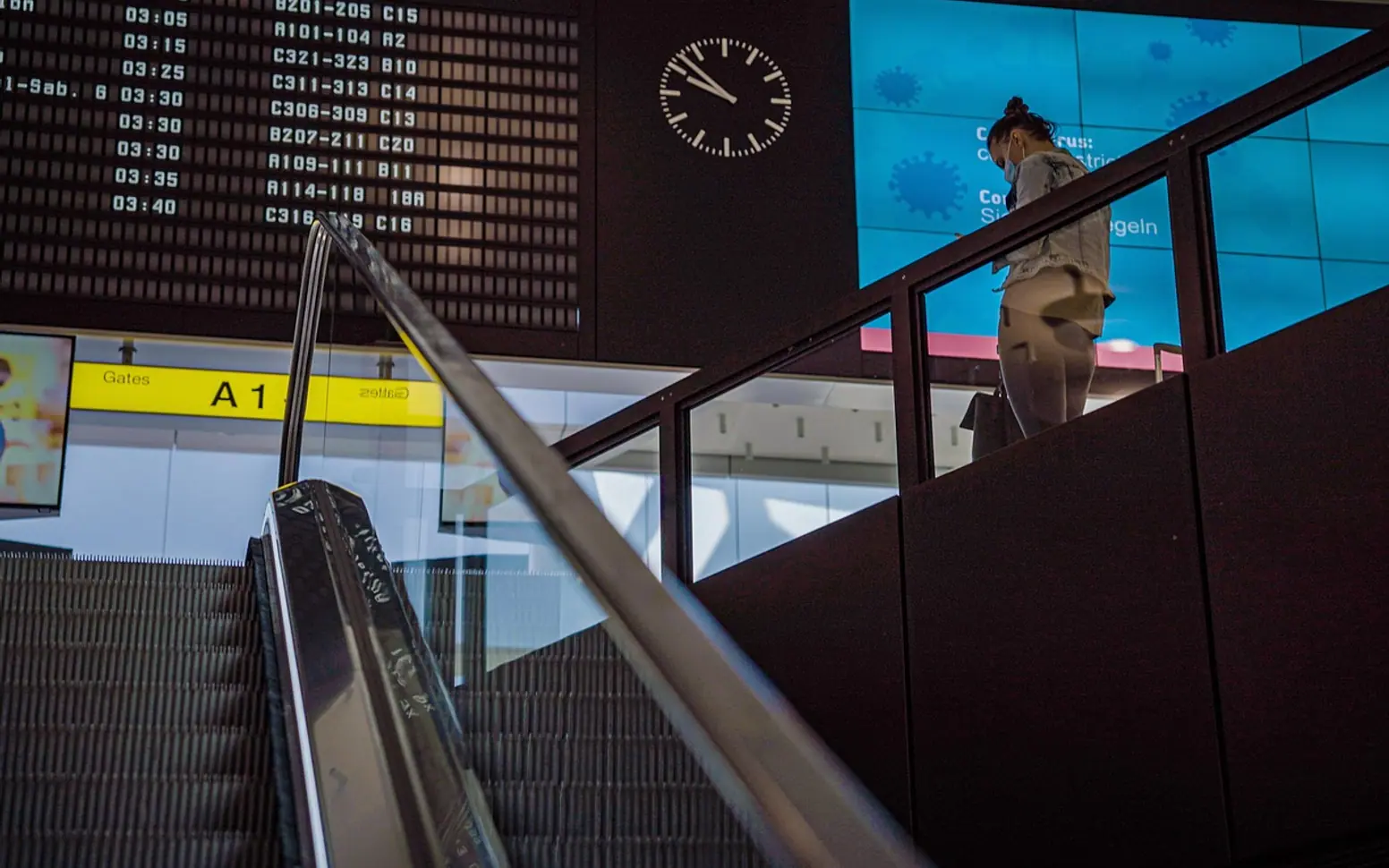
Email inboxes overflow, noticeboards gather curling paper and team meetings run out of time before every announcement is made. Many organisations have found that a well-placed digital screen solves part of that problem. It shows the right message to the right people at the moment they pass by, without asking anyone to open another app or attend another briefing.
Where screens earn their place
Location decides most of what a screen can achieve. A few spots tend to work particularly well:
- Entrances and reception areas for welcome messages, visitor instructions and the day's schedule.
- Break rooms and kitchens, where people linger long enough to read updates, celebrations and safety reminders.
- Production floors and warehouses for targets, shift changes and live operational information.
- Shop windows and sales floors for offers, opening hours and product highlights aimed at customers.
- Meeting room corridors for booking status and directions.
Content that people actually read
A screen is only useful if its messages are noticed. Short headlines, large text and strong contrast make a slide readable from across a room. Each slide should carry one idea rather than a crowded collage of announcements. Mixing practical information with lighter items, such as team achievements or a weather forecast, keeps people glancing up rather than tuning out.
Different departments can run their own playlists, so the warehouse sees delivery updates while the sales team sees targets and product news. That kind of targeting is difficult with printed posters but straightforward with digital content.
Choosing hardware and software
The display itself needs to suit its environment. Screens in bright shop windows need higher brightness, while those in busy corridors benefit from sturdy mounting and commercial-grade panels built for long running hours. Companies comparing options can browse a dedicated range of information screen display for business models, which makes it easier to match size, orientation and brightness to each location.
On the software side, look for a content manager that lets several people schedule slides, set start and end dates and update screens remotely. Templates save time, and the ability to pull in live data, such as calendars or dashboards, keeps screens current without manual effort.
Common mistakes to avoid
- Leaving the same slides running for months until nobody looks any more.
- Packing too much text onto a single screen.
- Placing displays where glare or awkward angles make them hard to read.
- Forgetting to assign someone responsibility for keeping content up to date.
Measuring the effect
Results are easiest to judge through everyday signs: fewer repeated questions at reception, better attendance at events that were promoted on screen, or quicker awareness of safety notices. Asking staff and customers for feedback after a few weeks helps fine-tune placement and content. Over time, a modest network of screens can become one of the clearest and most dependable communication channels a business has.
4 of 4
IPTV Germany: Internet Protocol Television in a Nation That Loves Quality Broadcasting
Why internet television suits German viewers who value public broadcasting, regional news, football, privacy and accessible features, and what to check first.
- AEntertainment
- 2 minutes

German audiences have high standards for what appears on their screens. Decades of well-funded public broadcasting, serious evening news and carefully made regional programmes have shaped a viewing culture that expects substance rather than noise. When television moved onto broadband lines, the question was never whether the picture would look modern, but whether the new format could keep up with those expectations.
Familiar channels, more ways to watch them
Internet protocol television in Germany generally sits on top of the channels people already know. The public broadcasters, the big commercial networks and a range of special-interest stations appear in one guide, and the difference lies in how they can be used. Jumping back to the opening credits of a show already underway, catching a documentary the next day or pausing the evening news while the doorbell rings are small conveniences that quickly become habits.
Regional identity is part of the appeal as well. Viewers in Bavaria, the north or the eastern states often care about their own local bulletin, and a connected service can serve the correct regional edition without extra equipment on the roof.
What different households look for
| Viewer | Typical priority |
|---|---|
| Families | Children's profiles, age ratings, several screens in use at once |
| Football fans | Low delay on live matches, stable picture at peak times |
| News and documentary viewers | Catch-up archives, start-over, clear programme guide |
| Viewers with hearing or sight needs | Subtitles, audio description, adjustable text size |
Accessibility deserves a special mention. Good services carry subtitle and audio description tracks from the broadcaster through to the app, so that nobody loses features they had with traditional reception.
Apps and buying decisions
Much of the day-to-day experience depends on the app on the television itself. A responsive interface, a guide that loads quickly and sensible favourites lists make a bigger difference than most spec sheets suggest. Many German viewers appreciate a straightforward solution such as Smart IPTV, which focuses on running smoothly on common smart TVs and streaming boxes.
Anyone ready to compare packages will find plenty of guidance on what to look for before they decide to IPTV kaufen, from the size of the channel list to the number of parallel streams and the kind of customer support on offer.
Privacy and trust
Data protection is taken seriously in Germany, and viewers are right to ask what happens to their account details and viewing history. Clear privacy terms, secure payment and the option to manage personal data are reasonable expectations. Just as important is picking a service whose German distribution rights are in order, which protects viewers from sudden gaps in the line-up.
Quality as the deciding factor
Ultimately, German households tend to judge any service by the same yardstick they have applied to broadcasting for generations: is the picture reliable, is the content worth watching and does the technology stay out of the way? Internet television that meets those standards fits comfortably into a country that has always taken its television seriously.

Print it, pin it, tick it off
Our handiest lists from recent guides, from the French press routine to the road trip checks, gathered on one page and ready for the fridge door.
Open the printable checklistsSeven small wins
A week of tiny upgrades at home
Pick the rows that suit you, print the grid and tick a box whenever one happens. None of them takes longer than a coffee break.
| Habit | Mon | Tue | Wed | Thu | Fri | Sat | Sun |
|---|---|---|---|---|---|---|---|
| Brewed one slow cup instead of a rushed one | |||||||
| Wrote at least one line in a notebook | |||||||
| Tidied the cables behind the screen | |||||||
| Set aside a card or ribbon for the next present | |||||||
| Saved one place for a future day trip | |||||||
| Spent an evening on a hands-on project | |||||||
| Switched off every screen an hour before bed |
Half a grid is still a good week. Swap any row for a habit of your own and start again on Monday.
Overheard on our desks
Lines that stuck with us this season
A few things the team keeps repeating, plus notes readers sent in after trying a guide.
If a guide needs a glossary to follow, the guide is the problem. — Briony, copy desk
The detour you did not plan is usually the story you tell afterwards. — Leopold, guides and travel
Fold the raw edge under first and suddenly the whole parcel looks deliberate. — Zelda, gifts and crafts
Before buying another gadget, find out what the one in the drawer can already do. — Isadora, screens and tech
I printed the basket list, followed it in order, and my sister thought I had bought the whole thing ready-made. — a reader, by email
Four minutes on the timer changed my morning coffee more than any new beans ever did. — a reader, by email
Every page this week

Salt Dough Ornaments: Recipe, Shaping and Drying
Flour, salt and water make a dough that bakes hard enough to paint and hang. Here is the basic recipe, ways to shape it, how to dry it without cracks, and how to seal it so it lasts.

How to Make a Scrapbook
A scrapbook starts with a theme and a pile of photos, not a craft-shop haul. Choose an album, sort what you have, plan each page around one focal picture and add a few words of story.
How to Make a Pop-Up Card
Travel Journal Ideas: What to Write, Stick and Sketch
Road Trip Essentials: A Packing List for the Car
Road Trip Snacks That Travel Well (and Won't Wreck the Car)
Road Trip Games for Kids and Adults
How to Make a Vision Board
How to Use a Moka Pot: Stovetop Coffee Step by Step
How to Make a Gift Basket
Older but still useful
2026
2025
- Hands, Tools, and Opportunity: Why a Career in Plumbing Strengthens Communities
- Building a Smart Home Cellar With Online Orders: From First Bottle to Reliable Rotation
- Seamless Pairings: How to Match Dresses with Shapewear for a Clean Silhouette
- Dutch Lawyer in Spain: Clear Guidance for Dutch Clients on Property, Tax, and Inheritance
- Sustainable Blooms: Online Flower Delivery Shops and the Push for Greener Choices
2024
- Daytime Garden Parties With Refreshing Seasonal Elements
- How Google Ads Can Transform Your Online Advertising Strategy
- From Struggles to Success: How RCD Espanyol Reinvented Themselves in La Liga
- Innovative Technologies in Modern Wedding Invitation Cards and Videos
- Secure and Reliable: The Safety Features of Rental Containers