Front DPart D · Guides & Tips № 4
Guides & Tips
Energy-Efficient Elegance: The Advantages of LED Recessed Lighting in Modern Homes
A room-by-room guide to LED recessed lighting: where downlights shine, how to pick colour temperature and beam, and why dimming and layout matter so much.
2 minutes
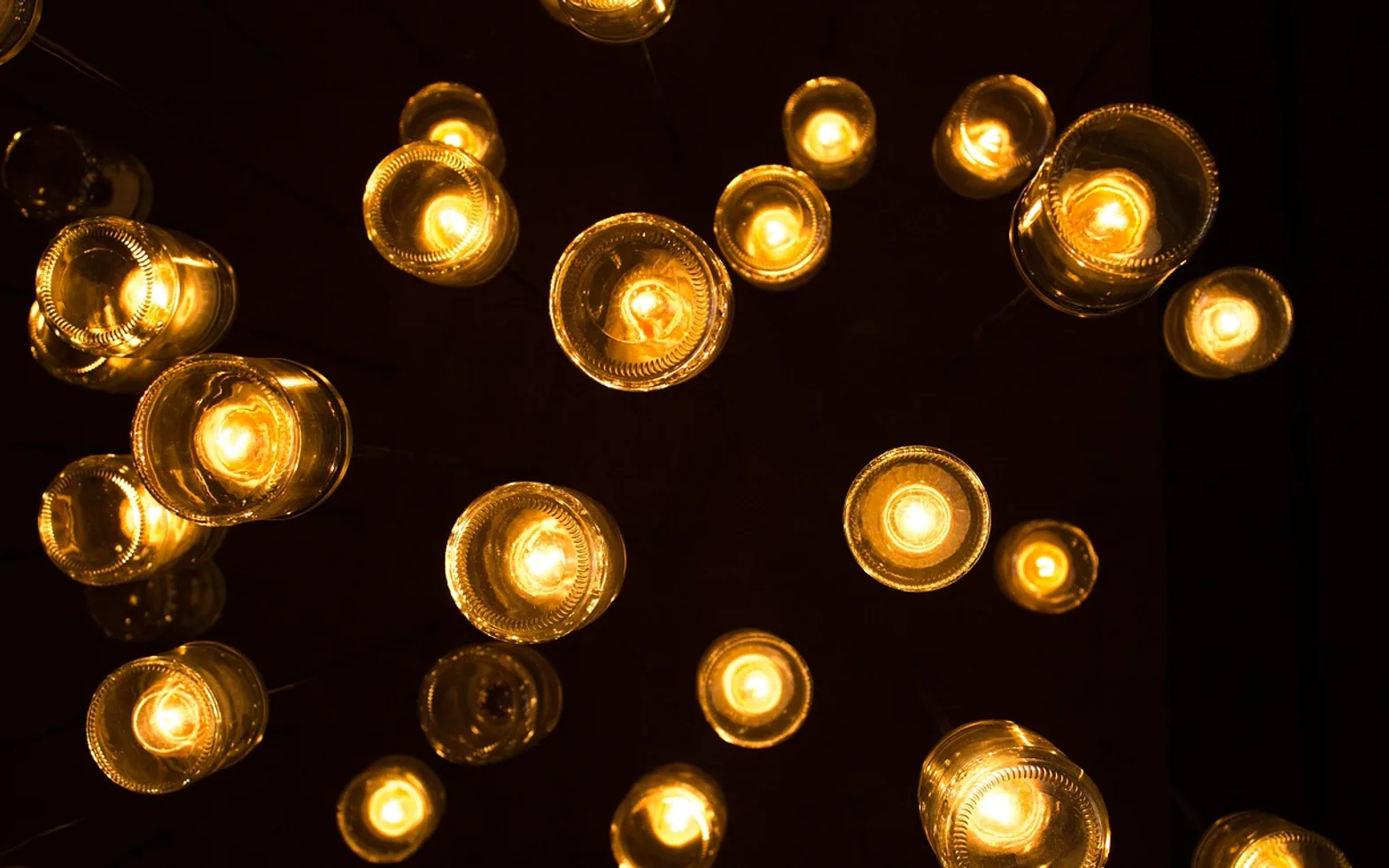
Ceiling lights used to mean a single fitting in the middle of each room, throwing a flat glow that left corners dim and faces shadowed. Recessed LED downlights changed that. Set flush into the ceiling, they almost disappear, and because they come in small sizes they can be placed exactly where light is needed. The result is a cleaner look and a more comfortable room, provided the layout is planned with some care.
Why LEDs suit recessed fittings
LEDs use considerably less electricity than old incandescent or halogen bulbs for the same amount of light, and they last far longer, which matters when a fitting sits inside a ceiling and is awkward to reach. They also run cooler than halogen spots, which is helpful in confined ceiling voids. Many integrated downlights now offer good colour rendering, so food, fabrics and skin tones look natural rather than washed out.
A residential range of recessed lighting with slim profiles makes it easier to fit downlights in ceilings with little depth, and choices such as adjustable colour temperature give homeowners room to fine-tune the mood after installation.
A room-by-room approach
Kitchen
Place downlights over the worktops rather than in the middle of the floor, so your body does not cast a shadow across the chopping board. A slightly cooler white works well for tasks, and under-cabinet strips can fill in the gaps.
Living room
Here, less is often more. A few dimmable downlights towards the walls wash light over shelves and artwork, while floor and table lamps keep the room warm and layered in the evening.
Hallways and stairs
Evenly spaced downlights give a safe, consistent path of light. Low-glare fittings stop people being dazzled as they look up the stairs.
Bathroom
Choose fittings rated for damp areas, particularly near the shower or bath, and follow local wiring rules. Lights near the mirror should illuminate the face from the front rather than straight above.
Choosing the right white
| Colour temperature | How it feels | Good for |
|---|---|---|
| Warm white | Soft, cosy, close to traditional bulbs | Living rooms, bedrooms, dining areas |
| Neutral white | Clear and balanced | Kitchens, home offices, bathrooms |
| Cool white | Crisp and bright | Utility rooms, garages, workshops |
Planning tips that avoid regrets
- Sketch the room and mark furniture first; light the places people actually use.
- Check beam angle, since a narrow beam creates pools of light and a wide one spreads it evenly.
- Put downlights on dimmers wherever possible, and confirm the dimmer and fitting are compatible.
- Look for fire-rated fittings where building rules require them, and insulation-compatible fittings in top-floor ceilings.
- Leave the wiring and connections to a qualified electrician.
Planned with these points in mind, recessed LEDs deliver what the term elegance really suggests in a home: light that does its job beautifully while the fittings themselves fade into the background.
Questions? Write to us.
Suggestions help us plan.