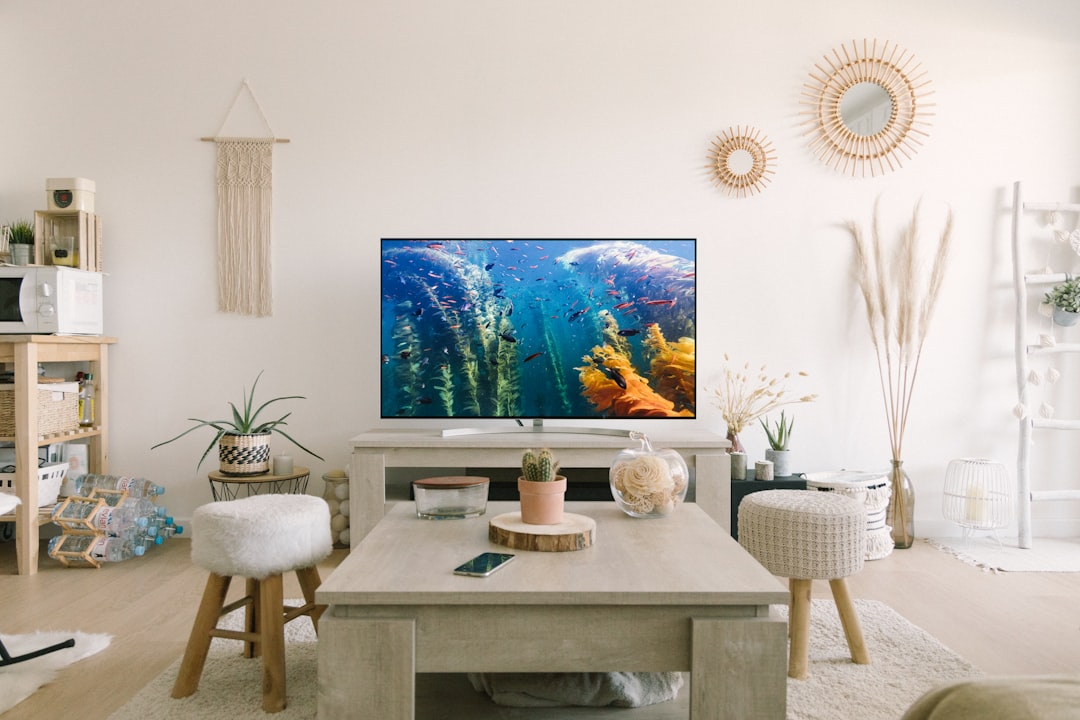

29 Apr From Cable to IPTV: France’s Entertainment Evolution

France’s entertainment landscape has changed dramatically over the past two decades. What was once defined by cable bundles, satellite dishes, and tightly scheduled television has evolved into a far more flexible, internet-driven experience. Today, French viewers expect content on demand, multi-screen access, and a viewing model that fits their lifestyle rather than the broadcaster’s timetable. This transition from traditional cable to IPTV reflects broader changes in technology, consumer behavior, and digital infrastructure. It also shows how France has adapted to a global shift in media consumption while maintaining its own distinct viewing culture.

The era of cable, satellite, and scheduled viewing

For many years, television in France revolved around linear programming. Households relied on terrestrial channels, cable subscriptions, or satellite packages to access news, films, sports, and entertainment. Cable expanded choice beyond the traditional national networks, while satellite helped households in less connected areas receive a broader range of content. For viewers at the time, these services represented convenience and variety.

Yet the model had clear limitations. Programming schedules controlled when audiences watched their favorite content, and premium packages often came with higher monthly costs. Hardware installation, long contracts, and limited customization also shaped the user experience. In practice, viewers paid for large bundles even if they regularly watched only a small portion of the channels included.

As internet use grew across France, these weaknesses became more visible. Consumers began comparing television services not only to each other but also to the flexibility of digital platforms. The idea of waiting for a specific broadcast slot started to feel outdated, especially as younger audiences embraced mobile devices, replay services, and streaming habits. Cable remained important for a time, but the foundations of change were already in place.

How broadband and fiber accelerated the shift

The real turning point in France’s entertainment evolution came with the expansion of broadband and, later, fiber-optic internet. As connection speeds improved, television no longer needed to rely solely on coaxial cable or satellite transmission. Internet Protocol Television, better known as IPTV, made it possible to deliver live channels, replay content, and on-demand libraries through internet networks with increasing reliability.

France was particularly well positioned for this transition because of strong competition among telecom providers and significant investment in digital infrastructure. Internet service providers began integrating television into their broadband offers, often through set-top boxes that combined internet access, live TV, and video-on-demand in a single ecosystem. This bundling made IPTV feel less like a niche innovation and more like a natural upgrade to the home entertainment package.

Fiber deployment further strengthened IPTV adoption. High-speed connections reduced buffering, improved picture quality, and enabled households to stream content across multiple devices simultaneously. In urban areas especially, the difference in user experience was significant. Viewers could watch live football in the living room, stream a drama series on a tablet, and access catch-up TV on a smartphone without the compromises once associated with internet-based viewing.

This technological progress changed expectations. Audiences no longer asked whether internet TV could match cable. Instead, they began to ask why they should remain tied to older systems when IPTV offered greater convenience, broader access, and more personalized control.

Why IPTV resonates with modern French viewers

IPTV fits the way French households now consume media. Flexibility is one of its biggest advantages. Rather than being limited to a fixed schedule, viewers can access live channels, replay services, and large content libraries whenever they choose. This aligns with modern routines, where work, travel, and family commitments often make traditional appointment viewing impractical.

Another major factor is device freedom. Entertainment is no longer confined to one television set in the home. IPTV supports viewing across smart TVs, laptops, tablets, and mobile phones, giving users far more control over where and how they watch. For families, this can mean fewer conflicts over screen time. For individuals, it means entertainment follows them instead of remaining tied to a single room.

Cost efficiency also plays a role. Many viewers are now more selective about what they pay for. They want access to the channels and features they value without the excess and rigidity associated with older subscription models. This is one reason interest has grown around services related to abonnement IPTV France, as consumers increasingly search for practical, modern alternatives that reflect their actual viewing habits.

Just as importantly, IPTV supports a more personalized experience. Recommendations, language options, pause and replay functions, and integrated content discovery tools all make entertainment easier to navigate. In a country where audiences consume everything from domestic dramas and international cinema to Ligue 1 matches and global streaming hits, personalization has become a central part of the value proposition.

The future of entertainment in France

Looking ahead, IPTV is not simply replacing cable; it is helping redefine what television means in France. The boundary between traditional broadcasting and digital streaming continues to blur. Viewers increasingly expect one seamless interface that combines live events, on-demand programs, and app-based services. In this environment, convenience often matters as much as content itself.

Several trends are likely to shape the next phase of this evolution. First, fiber expansion will continue to improve service quality in more regions, reducing the digital gap between large cities and smaller communities. Second, smarter interfaces powered by data and artificial intelligence will make content discovery faster and more relevant. Third, premium video quality, including 4K and beyond, will become more standard as bandwidth capacity improves.

At the same time, issues of legality, reliability, and consumer trust will remain important. As the IPTV market grows, French consumers are becoming more aware of the difference between stable, compliant services and unreliable options that may compromise quality or security. This creates a stronger market for professional providers that prioritize performance, transparency, and customer support.

French entertainment culture itself will also influence the future. Audiences in France value both local programming and international access. That means successful IPTV solutions will need to combine broad content availability with a strong understanding of regional preferences, language expectations, and viewing traditions. The most competitive services will be those that balance innovation with cultural relevance.

France’s journey from cable to IPTV is more than a technical upgrade; it is a reflection of how entertainment has become more immediate, personalized, and connected to everyday life. As internet infrastructure improves and viewer expectations continue to evolve, IPTV is positioned to play an even larger role in the country’s media ecosystem. For households seeking convenience, choice, and a modern viewing experience, the evolution is already well underway, and there is little sign of it slowing down.

13 Apr The Success Story of IPTV Expansion Across France

France has become one of Europe’s most dynamic IPTV markets, and its growth story is far more than a simple technology upgrade. Over the past decade, the country has moved from traditional broadcast habits toward a more flexible, internet-based viewing culture that matches modern expectations. French households increasingly want on-demand entertainment, multi-device access, premium sports, international channels, and seamless streaming quality. IPTV has answered that demand with remarkable speed. As broadband coverage improved and consumer behavior shifted, France created the ideal environment for IPTV to move from a niche service to a mainstream entertainment solution. The result is a powerful success story shaped by innovation, infrastructure, competitive pricing, and a strong appetite for digital convenience.

How IPTV Found Fertile Ground in France

France was especially well positioned for IPTV expansion because the country already had a strong telecommunications framework and a digitally engaged population. Major internet service providers played a critical role in making television over internet protocol accessible to ordinary households. Instead of requiring entirely new viewing habits, IPTV was often introduced as part of broader internet and home entertainment packages, making adoption feel practical rather than disruptive.

French consumers also responded to IPTV because it aligned with changing lifestyles. Viewers no longer wanted to be tied to fixed schedules or limited channel bundles. They wanted content on their own terms, whether at home, on a tablet, or while traveling. IPTV met those expectations by combining live TV, replay features, video on demand, and richer user interfaces. This convenience helped create trust in the model and steadily accelerated adoption across urban and suburban markets.

Another important factor was the maturity of France’s media culture. Audiences in France value both domestic programming and international content, and IPTV made it easier to bring these worlds together in one place. That combination of accessibility, variety, and user control gave IPTV a natural advantage over older, less flexible television systems.

The Key Drivers Behind Rapid IPTV Growth

The expansion of IPTV across France did not happen by chance. It was driven by a clear combination of technological progress and market demand. As internet speeds improved and fiber deployment reached more homes, streaming reliability became strong enough to support high-quality television services at scale. This removed one of the biggest barriers to adoption: the fear of buffering, unstable connections, or inconsistent viewing experiences.

At the same time, French consumers became more selective about value. They wanted better content choices, easier navigation, and pricing that felt competitive compared with traditional pay-TV options. IPTV providers responded by offering packages that could appeal to families, sports fans, movie lovers, and international viewers. For many households exploring modern streaming solutions, services connected to IPTV Abonnement options became part of that broader shift toward more personalized home entertainment.

  • Better broadband infrastructure: More stable high-speed internet made HD and even 4K streaming practical for everyday users.
  • Demand for flexibility: Viewers increasingly preferred on-demand access and multi-screen compatibility.
  • Broader content libraries: IPTV offered a mix of French channels, global programming, films, sports, and replay features.
  • Competitive market pressure: Providers improved pricing and service quality to stand out in a crowded digital landscape.
  • User-friendly technology: Interfaces became easier to use, making IPTV accessible even to less technical audiences.

These drivers worked together to create a powerful cycle. Better networks improved service quality, better service attracted more users, and rising consumer demand encouraged further investment. In many ways, France became a textbook example of how technology adoption succeeds when infrastructure, pricing, and consumer expectations align.

Why IPTV Resonated with French Households and Businesses

One of the most impressive parts of the French IPTV success story is how widely the model has resonated. It has not only appealed to younger, tech-savvy audiences but also to families, expatriates, multilingual households, and businesses such as hotels and hospitality providers. IPTV is attractive because it offers customization without sacrificing simplicity. Users can access local channels, follow live events, catch up on missed broadcasts, and explore global entertainment in one ecosystem.

French households have embraced the practical advantages. Parents appreciate content diversity, sports fans value broader live coverage, and casual viewers enjoy the convenience of replay and on-demand viewing. This broad relevance has helped IPTV move beyond trend status and become part of everyday digital life.

Businesses have also recognized IPTV as a valuable service layer. Hotels, for example, can improve guest experiences by offering international channels and modern streaming interfaces. Property managers and short-term rental operators can use IPTV to add perceived value to accommodations. In these environments, IPTV is not just entertainment; it becomes part of a stronger customer experience strategy.

Equally important is the way IPTV reflects wider digital habits in France. Consumers are already accustomed to streaming music, shopping online, using connected devices, and managing subscriptions digitally. IPTV fits naturally into that connected lifestyle, which explains why adoption has continued to broaden rather than plateau.

The Challenges, Evolution, and Future of IPTV in France

No market expansion happens without challenges, and IPTV in France is no exception. Competition remains intense, and user expectations continue to rise. Consumers now expect fast setup, consistent streaming quality, responsive support, intuitive interfaces, and a rich content mix. Providers that fail to meet these expectations can quickly lose ground.

There are also ongoing questions around content rights, service reliability, and differentiation in a crowded market. As more platforms compete for attention, the strongest IPTV offerings will be those that combine technical performance with trust, transparency, and a clearly defined value proposition. In France, where audiences are discerning and digital standards are high, that balance is especially important.

Still, the future looks promising. Fiber expansion, smart TV adoption, and growing comfort with subscription-based media all continue to support IPTV growth. We are also seeing rising interest in more personalized recommendations, smoother cross-device syncing, and advanced viewing features. As technology improves, IPTV in France is likely to become even more immersive, reliable, and central to the home entertainment experience.

The market’s success so far suggests that IPTV is no longer an alternative format. It is becoming a core pillar of how television is delivered and consumed in France. That evolution marks a major milestone in the country’s digital media journey.

The success story of IPTV expansion across France is ultimately a story of alignment between technology and everyday life. Strong internet infrastructure, changing viewer expectations, rich content access, and competitive service models have all helped IPTV flourish. France has shown how a market can embrace digital television not as a passing trend, but as a lasting transformation in media consumption. As the sector continues to mature, IPTV is set to remain a defining force in the French entertainment landscape.

11 Feb Exploring the Benefits of IPTV Subscriptions in the Dutch Market

IPTV Subscriptions: A Game Changer for TV Viewing in the Netherlands

The way people watch television in the Netherlands has changed dramatically over the past decade. Traditional cable packages and satellite dishes, once seen as the standard, have gradually given way to internet-based streaming solutions. Among these, IPTV subscriptions stand out for their accessibility, variety, and user-oriented features. Dutch households, both in cities and smaller towns, are discovering new ways to watch their favorite shows, movies, and live sports, with goedsmarterspro.nl gaining traction as a popular option. But what is driving this shift, and what makes IPTV subscriptions so appealing in the Dutch market?

What Is IPTV and How Does It Work?

IPTV, short for Internet Protocol Television, delivers television content over a broadband connection rather than through traditional broadcast methods. Instead of relying on satellite signals or cable wires, IPTV uses the internet to stream channels and programs directly to your device. This could be a smart TV, a streaming box, a laptop, or even a smartphone.

Subscribers access content through an app or a set-top box, often with a simple monthly fee. The service usually offers a range of live TV channels, video-on-demand content, and sometimes even catch-up TV options. The flexibility of streaming content on demand, coupled with the ability to pause, rewind, or record, sets IPTV apart from conventional television services.

This technological shift is not just about convenience. It has also changed how viewers interact with content, opening up new opportunities for personalized viewing experiences. As Dutch consumers become increasingly internet-savvy, the demand for flexible, high-quality television options continues to rise.

Key Advantages of IPTV Subscriptions for Dutch Viewers

1. Greater Channel Variety and International Content

One of the main draws for Dutch users is the extensive range of channels that IPTV services provide. Traditional cable packages are often limited by region and infrastructure. In contrast, IPTV opens the door to hundreds, sometimes thousands, of channels from across the world. This is especially valuable in the Netherlands, where many households have international backgrounds or interests.

  • Access to Dutch national channels, regional news, and local sports.
  • Broad selection of international channels, including British, German, Turkish, and Arabic programming.
  • Specialized content such as documentaries, kids’ channels, and niche sports.

For Dutch expatriates or those interested in keeping up with global events, IPTV provides a practical solution. The ability to watch programs in multiple languages, or to follow sports leagues from other countries, adds significant value for a diverse audience.

This wide variety of content naturally leads to another noteworthy benefit: flexibility and user control.

2. Flexibility and User Control

Unlike traditional TV services that require viewers to stick to preset schedules, IPTV allows users to decide what to watch and when. Features such as on-demand libraries and catch-up TV mean that viewers are not tied to broadcast times. This is especially relevant for busy professionals, families with young children, or anyone with an unpredictable schedule.

  • Pause and rewind live TV for convenience.
  • Record programs to watch at a later time.
  • Access to vast on-demand libraries, including recent movies and exclusive series.

For Dutch viewers, this flexibility is more than just a convenience – it is a reflection of changing lifestyles. As work patterns and leisure activities evolve, having control over entertainment options has become a standard expectation. The next aspect to consider is cost-effectiveness, which plays a significant role in the decision-making process for many households.

3. Cost-Effectiveness Compared to Traditional Packages

One of the strongest arguments for IPTV subscriptions is the potential for cost savings. Traditional cable and satellite packages in the Netherlands can be expensive, especially when bundled with premium channels or sports packages. IPTV subscriptions often come at a lower monthly rate, with no long-term contracts or hidden fees.

Comparison of TV Options in the Netherlands
Service Type Typical Monthly Cost Channel Selection
Traditional Cable €40-€70 Limited, mostly local and some international
Satellite TV €50-€80 Local and select international
IPTV Subscription €10-€20 Extensive: local, international, specialty
Streaming Services €8-€15 per service On-demand, limited live TV
Hybrid IPTV + Streaming €18-€30 Combines live TV and on-demand

As the table above shows, IPTV subscriptions offer a competitive alternative in terms of both price and range of content. For Dutch families looking to make their entertainment budget go further, the difference can be significant. That said, price is not the only factor at play – the convenience and accessibility of IPTV also contribute to its popularity.

Accessibility and Device Compatibility

Another appealing aspect of IPTV subscriptions is their accessibility. Unlike cable or satellite, which often require professional installation and specialized hardware, IPTV can be set up on a wide range of devices. Dutch consumers can watch their favorite shows on smart TVs, laptops, tablets, smartphones, or even gaming consoles. The process is usually as simple as downloading an app and entering subscription details.

This device compatibility is especially useful for families or shared living situations. Multiple users can enjoy different programs simultaneously, each on their preferred device. Whether watching in the living room, kitchen, or on the go, IPTV adapts to the needs of modern Dutch households.

Accessibility also extends to customer support and technical help, with many IPTV providers offering responsive assistance through chat, email, or phone. This support structure helps users feel confident in trying out new services and troubleshooting issues quickly, which is another reason for the steady adoption rate among Dutch viewers.

With these features in mind, it is worth exploring how IPTV subscriptions align with the broader trends in content consumption and media preferences in the Netherlands.

Legal Considerations and Consumer Awareness

While IPTV offers numerous benefits, it is important for Dutch consumers to be aware of the legal framework. Not all services operate with the same level of compliance. Some IPTV subscriptions provide access to content without proper licensing, which can pose legal risks for both providers and users. The Dutch government and several industry bodies have taken steps to inform the public about the risks associated with unauthorized services.

According to the Dutch anti-piracy group BREIN, significant efforts have been made to shut down illegal providers and protect intellectual property rights. Legitimate IPTV providers, on the other hand, obtain the necessary licenses and permissions to distribute content. Choosing a reputable provider not only supports content creators but also ensures a stable and secure viewing experience.

Consumer awareness is growing, with more Dutch viewers seeking out information on the legal status of their IPTV subscriptions before committing to a service. This shift toward informed decision-making helps foster a fair and sustainable entertainment market in the Netherlands.

Having covered the legal and regulatory context, it is useful to look at the technological innovations that are shaping the IPTV experience for Dutch viewers.

Technological Innovations and User Experience

IPTV technology continues to advance, and Dutch service providers are quick to adopt new features that improve the user experience. High-definition and 4K streaming are now commonplace, providing crisp visuals and immersive audio. Some services offer interactive guides, personalized recommendations, and parental controls that help users make the most of their subscriptions.

  • Cloud-based recording and storage for favorite programs
  • Multi-device streaming with synchronized profiles
  • Options for subtitles and audio tracks in multiple languages

These innovations are not just technical upgrades – they are responses to real-world needs identified by Dutch viewers. The focus on user experience helps IPTV stand out in a crowded entertainment market, giving customers more value for their subscription.

As technology continues to advance, the gap between IPTV and traditional television services is likely to widen, shaping the future of media consumption in the Netherlands.

Summing Up the IPTV Subscription Advantage in the Dutch Market

The shift toward IPTV subscriptions in the Netherlands is driven by a combination of factors: a wide range of channels, user flexibility, lower costs, and ease of access. Dutch viewers are no longer limited by geographical boundaries or rigid schedules. Instead, they have the freedom to choose what, when, and how to watch, all at a reasonable price point.

As IPTV services continue to innovate and adapt to the needs of Dutch households, their popularity is expected to grow. Legal awareness and technological advancements are helping shape a more secure and enjoyable viewing environment. For anyone considering a new way to watch TV in the Netherlands, IPTV subscriptions offer a compelling mix of variety, convenience, and value that aligns with modern viewing preferences.

25 Oct Film Discovery Without the Price Tag: How Free Streaming Helps Viewers Find Hidden Gems

Many film fans want new stories but do not want to add another subscription. That tension sends people to search for sites like 123Movies, where a click seems faster than comparing prices. Legal free platforms now serve the same need with better discovery tools and safer playback. This article explains how those tools work, why curation matters, and how to build a habit that turns random nights into a steady flow of good picks. The next section starts with the problem of choice.

Too many options, not enough time

Choice fatigue is real. Rows of posters stretch across the screen, and the evening ends before a decision does. Free platforms attack this barrier with collections that follow themes, moods, and events. Editors group titles as “comfort watches,” “short features under one hour and thirty minutes,” or “breakout directors.” These labels compress search into a few minutes. Many apps also surface live channels that run themed blocks. A noir channel at nine in the evening is perfect for a rainy night, while a family adventure block sets a weekend tone without long debates.

Curators and context: why short notes matter

A sentence or two from an editor changes behavior. When a description names the cinematographer, mentions a festival run, or points out a standout performance, viewers take a chance on a film they skipped before. That context reconnects audiences with the craft behind a production. It also helps form taste. After a few good experiences, viewers start to follow certain directors or composers, which makes the next pick easier.

Using watchlists as a habit builder

A watchlist works best when it grows through the week. Add titles during lunch breaks, then pick one at night without browsing. Some platforms allow separate lists for genres or moods. Over time, a viewer builds a personal film club on a single page. That ritual suits busy schedules. It also prevents the common trap of defaulting to the same show every evening. With a ready list, the first choice happens in seconds.

How data improves suggestions without feeling intrusive

Legal free platforms learn from anonymous patterns such as completion rates, pause points, and return visits. If many viewers finish a thriller and then select a certain courtroom drama, the platform will suggest that link. Because viewers do not pay a monthly fee, they worry less about sunk costs and experiment more. That experimentation feeds better suggestions. Over months, the recommendations feel closer to a personal assistant than to a billboard.

Subtitles, dubs, and audio description open new doors

International film flourishes on free platforms because barriers are low. Subtitles arrive on day one, and dubs follow where appropriate. Audio description brings more viewers into the fold. These features enrich film culture. A viewer who enjoys a Spanish comedy with accurate captions may try a Mexican drama next. A fan of Japanese animation may branch into live-action mysteries. Free access lowers the step to explore beyond familiar borders, and careful localization keeps quality high.

Respecting creators while widening access

Free legal services support rightsholders through licensing and ad revenue. That structure rewards long-tail viewing. Older titles with loyal fan bases stay available instead of cycling out every few weeks. Documentaries with modest budgets find new audiences when placed in prominent rows. The system benefits creators who want their work seen and viewers who want variety without a bill.

A simple home setup that supports discovery

Place the router in the open, update apps, and use a cable for the television when possible. Turn on subtitles by default and pick a calm picture preset to avoid motion artifacts. Keep the remote near to rate titles with a thumbs icon or star if the platform offers that option. Those ratings teach the system your taste and improve future rows. Set a timer for credits, then add the next pick to the list before the app returns to the home screen. Small steps make the experience feel planned rather than random.

One question to close

What would your film diet look like if you replaced thirty minutes of scrolling with five minutes of editor picks and a prebuilt watchlist? Free legal platforms make that shift realistic. They combine safe playback, careful curation, and steady ad support to serve viewers who love movies and also love keeping their budget intact.


07 Oct Hands, Tools, and Opportunity: Why a Career in Plumbing Strengthens Communities

Skilled trades power daily life. Plumbing stands out because clean water and safe sanitation support health, comfort, and dignity. A career in plumbing blends problem solving, physical work, and customer service. It offers a clear path from apprentice to licensed professional, with chances to specialize, supervise, or start a business. For people who want meaningful work with visible results, plumbing delivers both purpose and stability.

Training that builds real competence

Training begins with an apprenticeship that combines classroom study and paid field experience. Apprentices learn codes, safety practices, blueprint reading, math for sizing pipe and vents, and the science behind pressure, flow, and heat transfer. In the field, they practice soldering, pipe threading, solvent welding, fixture setting, and diagnostic methods. Supervised hours prepare them for licensing exams that test knowledge and judgment. That structure gives newcomers a roadmap and gives customers confidence that work meets standards.

Technology as a force multiplier

Plumbing is hands-on, yet technology has changed both the speed and certainty of diagnosis. Thermal cameras reveal hidden moisture. Endoscopes and drain cameras provide footage that guides decisions. Electronic pressure and temperature gauges give precise readings. Leak detection equipment can differentiate between supply and drain issues without opening walls. Software helps plan jobs, price options, and document outcomes with photos. The trade rewards people who enjoy learning tools and combining them with practical skill.

Specializations that match interests

Within the trade, paths vary. Some professionals, like https://realgoodvalue.com, focus on residential service, where communication and problem solving at occupied homes matter most. Others prefer commercial work with larger systems, pump stations, and complex controls. Many choose a niche: water quality treatment, hydronic heating, medical gas piping, or trenchless sewer repair. Each path values accuracy and safety, and each offers room to grow into leadership or ownership.

Work that supports public health

Plumbing codes exist to protect health. Backflow prevention keeps contaminants out of potable water. Proper venting prevents sewer gases from entering living spaces. Correct hot water settings balance safety with comfort. Every day, plumbers apply those principles, which makes the job a quiet public service. During storms or freezes, plumbers restore service that lets families cook, bathe, and clean again. That reliability supports schools, hospitals, restaurants, and every home on the block.

Opportunity that withstands economic shifts

People need water service regardless of broader economic cycles. Repairs cannot wait months. Remodels and new construction may slow or accelerate, but maintenance and emergency work continue. Licensed professionals remain in demand, and companies invest in training to meet that demand. For workers, that demand translates to steady hours, clear pay progression, and chances to move into estimating, project management, or entrepreneurship.

Communication and empathy as core skills

Technical skill solves problems; communication turns solutions into satisfaction. The best plumbers explain options without jargon, set expectations about time and cost, and treat homes with respect. They listen first, which helps them diagnose not only the mechanical issue but also the customer’s priorities. That approach builds long-term relationships and referrals. For people who enjoy working with both tools and people, plumbing offers daily variety and the reward of helping others.

A path for many backgrounds

The trade welcomes people who thrive outside a desk setting, recent graduates who want to earn while they learn, and career changers who seek a more tangible line of work. Entry does not require a traditional four-year degree. It requires commitment, curiosity, and care for safety. Many companies sponsor apprentices, pay for coursework, and provide mentors. Over time, apprentices become journeypersons, and journeypersons become masters who teach the next wave.

Why communities benefit when the trade grows

Strong plumbing businesses hire locally, train residents, and keep money circulating in the community. They respond quickly in emergencies and support building modernization that saves water and energy. They participate in school career days, offer internships, and show young people a path to a respected profession. As more residents gain these skills, neighborhoods become more resilient, and households spend less time and money on preventable damage.

A career with visible impact

Plumbing offers a clear ladder, modern tools, and work that matters. It builds skills that pay back for a lifetime and supports public health every hour of the day. For anyone considering a trade that combines thinking and doing, plumbing stands as a dependable choice with room to grow and a legacy of service that lifts entire communities.


27 Sep Building a Smart Home Cellar With Online Orders: From First Bottle to Reliable Rotation

Many wine lovers dream of a well-stocked fridge or shelf that always holds the right blanc de blancs champagne for the right moment. Online retailers make that easier by offering wide selection, varied formats, and dependable shipping. The bigger question is how to turn scattered purchases into a steady rotation that suits weekdays, special weekends, and milestone events. A simple framework—stock, sample, and save—helps you shape a home cellar without guesswork.

Stock: establish dependable house bottles

Every home benefits from a dependable brut non-vintage that suits mixed company and broad menus. Use online tools to compare dosage, grape blend, and disgorgement date, then buy a small set so you can learn how the bottle performs across different meals. Do you notice citrus and chalk with shellfish at 8 to 10 C? Does the same bottle show baked apple with roast chicken at 10 to 12 C? These observations guide future orders. Aim for a rolling stock that covers everyday celebrations: birthdays, promotions, and dinners with friends who prefer classic styles.

Sample: explore styles with intent

Exploration builds knowledge. Each month or quarter, add one bottle outside your comfort zone. A blanc de noirs can introduce red fruit and structure. A single-vintage cuvée can show how longer lees aging adds depth and pastry notes. A rosé can broaden pairing options with grilled salmon or charcuterie. While browsing, ask specific questions: is the wine sourced from a single village, and does the retailer share parcel details? Are there tasting notes that mention salinity, orchard fruit, or spice? Keep short notes after each bottle to capture your impressions.

Save: plan for milestones

Some moments call for bottles that carry history. Prestige cuvées or special vintages can benefit from short to medium cellaring at home if storage conditions are stable. Online shops often release new vintages on predictable cycles; setting a reminder around those periods helps you secure bottles without resorting to last-minute searches. If you lack a dedicated cellar, consider ordering closer to the event date and asking the retailer to hold during heat spikes.

Manage shipping like a pro

Shipping remains the most important variable when ordering online. In warm months, use expedited options or temperature-controlled packaging. In cooler seasons, ground shipping can suffice if the route avoids long depot holds. Choose delivery windows that align with your schedule and consider signature requirements. Upon arrival, let bottles rest upright for 24 to 48 hours before chilling. This pause settles the mousse and improves the first pour.

Storage and organization at home

Not every home has a wine fridge, yet simple steps can safeguard quality. Select a dark closet or cabinet away from appliances, keep bottles on their sides, and avoid temperature swings. If you invest in a small fridge, set it around 11 C to cover most styles, then chill further in an ice bath for service when needed. Label shelves by occasion: everyday, dinner with guests, and milestone. This visual cue speeds selection and prevents you from opening a saved bottle on a random weeknight.

Pairing strategies that reduce waste

Good pairings help you finish bottles at their peak. For salty starters and raw seafood, a chardonnay-heavy brut offers lift. For roast chicken, mushroom pasta, or soft cheeses, a pinot-led blend matches weight. For desserts, a demi-sec with fruit tarts brings harmony without cloying sweetness. If you expect leftovers, a quality stopper preserves fizz for 24 to 48 hours, though texture naturally softens. Choosing the right style for the meal minimizes leftovers and ensures satisfaction.

Budgeting without guesswork

A practical cellar respects a budget. Set an annual figure for champagne purchases and divide it across stock, sample, and save categories. The stock category handles repeats and benefits from case pricing. The sample category funds discovery without overspending. The save category supports milestone bottles that anchor holidays and anniversaries. Online retailers often publish release calendars and seasonal promotions; align your purchases to those windows rather than making impulsive buys.

Keeping records that pay off

A simple spreadsheet or notebook transforms experience into guidance. Track producer, cuvée, dosage, grape blend, disgorgement, purchase date, and impressions. Over time, you will see patterns: a preference for extra brut with seafood, a fondness for rosé in summer, or an admiration for certain villages. These patterns turn browsing into targeted action and prevent repetitive misfires.

Hosting with confidence

When guests arrive, confidence matters as much as content. Chill to the correct range, open with a gentle hand, and pour in stages. Offer water and small bites nearby to balance pace. If serving two styles, begin with the lighter profile and move to the richer bottle later. This order keeps palates fresh and highlights differences without overwhelming the table.

A home champagne rotation does not require a large cellar or advanced gear. It benefits from small habits: reading labels closely online, planning shipping during friendly weather, storing bottles with care, and connecting styles to meals and moments. With those habits in place, your cart turns into a steady source of celebrations, ready whenever you are.


27 Sep Seamless Pairings: How to Match Dresses with Shapewear for a Clean Silhouette

People often ask which shapewear suits a specific dress. The answer hinges on fabric behavior, level of structure, and where the garment clings under movement. Matching dresses with shapewear is less about hiding and more about engineering a stable base that lets fabric hang as intended. With attention to cut and construction, you can avoid lines, boost comfort, and allow the dress to perform the way the designer planned.

Why start with the dress fabric?

Different textiles demand different bases. A slip dress cut from satin will amplify any ridge or seam beneath it, while a crepe sheath hides more. Stretch knits recover quickly but can grip along the midsection, which can lead to rolling at the hem of traditional shorts. As a result, a bonded-edge short or thong with laser-cut legs pairs well with knits, while a full slip or bodysuit makes sense under satin. If the dress includes lining, test how the lining moves against your shapewear; a slippery base reduces static and lets the layers glide.

Which silhouettes pair with which shapewear?

A-line shapes forgive, so a mid-rise short or brief can be enough to smooth the lower abdomen and hip. Sheaths favor higher-waist shorts with silicone backing that resists sliding during long events. Halter or one-shoulder gowns pair well with convertible bodysuits that allow strap changes without sacrificing support. For low backs, a plunge bodysuit with flexible boning can hold its position while keeping the back line open. Asking where the dress clings—bust, waist, hip, or thigh—will narrow the field to pieces that target those zones.

How does compression level affect comfort and appearance?

Compression sits on a spectrum from light smoothing to firm control. Light smoothing suits day wear and work settings where you move, sit, and stand for hours. Firm control might be reserved for short windows, such as photos or ceremonies, when posture and stillness dominate. Many shoppers find that mixing levels works best: a medium-control bodysuit with a light-control slip over it, for example, can prevent friction while keeping lines invisible. The goal is a consistent surface, not maximum pressure.

What about necklines and straps?

V-neck and square-neck dresses tend to reveal the edges of standard shapewear. Look for low-slung fronts with clean, bonded edges that disappear beneath the neckline. Convertible straps expand options. Some designs offer transparent support wings at the side of a plunge to position the bust without visible hardware. If the dress has cap sleeves, pay attention to the edge of any shapewear that covers the shoulder; a visible ridge at the deltoid can show under light fabrics.

Can shapewear add structure without boning?

Yes. Zoned panels with power mesh can mimic the effect of light boning by guiding fabric rather than stiffening it. Through the waist, a cross-laminate panel resists vertical stretch, creating a smoother line under sheath dresses. Along the lower abdomen, a double-layer panel holds shape while allowing natural breathing at the ribcage. This approach gives structure without pressure points, which helps during long events or warm venues.

How should you test the pairing at home?

Dress fully, then move as you would during the event or workday. Sit, climb a stair, reach overhead, and check mirror angles in natural light. Does the hem of the shapewear stay put when you sit? Does the waist roll when you lift your arms? Do seams appear under sunlight near a window? These checks reveal whether friction or tension will cause trouble later. If lines appear, it may be a sign to change fabric weight or shift to bonded edges.

How do color and finish influence the final look?

Choose a tone close to your skin if the dress fabric is thin, because light passes through pale textiles and can reveal contrasts. For dark dresses, either a skin-adjacent tone or black can work, but consider flash photography; camera flashes can brighten thin fabrics and expose high-contrast layers underneath. Matte finishes prevent shine through satin, while a faint sheen can merge with silk and look invisible.

What does a smart wardrobe plan look like?

A small set of pieces can cover most dress styles: a plunge bodysuit, a high-waist short with bonded legs, a strapless bodysuit, and a full slip with adjustable straps. With this mix, you can pair almost any dress with a smooth base. The right match does more than compress. It lets the fabric skim, keeps hems flat, and removes distraction, so the dress reads as intended from neckline to hem.

21 Sep Germany’s IPTV Future: The Role of Technology and Infrastructure

Television consumption in Germany is undergoing rapid transformation. IPTV stands at the center of this change, supported by significant technological progress and infrastructure expansion. Understanding how these elements converge explains why IPTV kaufen is gaining momentum and where it might lead.

The Importance of Broadband Expansion

Reliable IPTV requires high-speed internet. Germany has accelerated fiber optic rollouts and 5G coverage to close connectivity gaps. Urban areas already benefit from strong broadband access, but government programs are extending these improvements to rural communities. This expansion ensures that IPTV is not confined to metropolitan households.

Devices and User Control

German consumers increasingly rely on smartphones, smart TVs, and tablets. IPTV integrates seamlessly with these devices, giving users the freedom to switch from one screen to another without losing continuity. The rise of cloud-based storage further strengthens this model, letting viewers resume content across multiple platforms.

Personalized Viewing Experiences

Artificial intelligence and machine learning now power many IPTV platforms. These systems analyze viewing patterns and recommend new content based on user preferences. In Germany, where audiences value both domestic programming and international offerings, recommendation engines improve discoverability without overwhelming viewers.

Partnerships and Market Strategies

Telecommunication firms and media companies in Germany are forming partnerships to expand their reach. By bundling IPTV with broadband or mobile packages, providers attract new subscribers while reinforcing brand loyalty. This bundling trend reflects broader European patterns in digital media strategies.

Outlook

As networks grow faster and devices more integrated, IPTV in Germany will benefit from improved accessibility and personalization. Technology is not only making streaming smoother but also reshaping what audiences expect from television.

16 Sep Dutch Lawyer in Spain: Clear Guidance for Dutch Clients on Property, Tax, and Inheritance

Dutch citizens and companies often invest, work, or retire in Spain. They bring goals shaped by Dutch practice and face local rules that work differently. A Nederlandse advocaat Spanje bridges that gap by explaining Spanish law in a way that aligns with Dutch expectations, while coordinating with professionals in the Netherlands when needed. This article sets out where that support delivers the most value.

Property purchases with cross-border clarity

Dutch buyers like tidy documents and predictable timelines. Spanish property deals can meet that standard when a lawyer sets early checks and conditions. The attorney reviews title, charges, and planning status, then aligns those findings with the preliminary contract. If issues appear, the lawyer proposes fixes and adjusts payment milestones to protect the buyer. For clients financing a purchase with Dutch banks or using equity from a sale in the Netherlands, counsel can coordinate timing so funds arrive at the notary when documents are ready.

A good question at the start is: “Which documents must be ready before we pay a deposit?” The answer should include registry extracts, tax certificates, and community fee confirmations.

Tax and residence choices that avoid surprises

Moving or investing triggers tax rules in both countries. A Dutch lawyer in Spain can explain how Spanish taxes apply to property, rental income, and capital gains, then coordinate with Dutch tax advisors on residence and treaty questions. If a client spends many months per year in Spain, the lawyer can outline residence criteria, social security coordination for remote work, and the paperwork to stay compliant. Clarity on these points prevents costly errors.

Inheritance planning across two systems

Dutch families often wish to keep a coherent plan for heirs who live in several countries. A Dutch lawyer in Spain can draft or adapt Spanish wills, explain forced heirship rules, and choose applicable law where permitted. If a parent dies with assets in both countries, counsel can coordinate probate steps and asset transfers so heirs receive property without unnecessary delay. The aim is a simple path with known documents, known taxes, and known dates.

Commercial operations with bilingual contracts

Dutch companies value clear terms and fast execution. A Dutch lawyer in Spain can prepare bilingual contracts, reducing translation risk and speeding negotiations. Employment agreements, supplier contracts, and data protection documents should reflect Spanish rules while preserving commercial goals. If disputes arise, counsel can outline how Spanish courts apply jurisdiction and enforcement, then propose negotiation steps that protect relationships where possible.

Working methods that fit Dutch expectations

Clients from the Netherlands often prefer direct language, precise timelines, and transparent fees. A Dutch lawyer in Spain can mirror that style: written scopes, fixed fees for defined work, and rapid updates. When other specialists—tax, notary, or surveyors—must join, the lawyer can coordinate and present a single plan. That discipline keeps matters moving and reduces the cost of misunderstandings.

The outcome for Dutch clients

With a Dutch lawyer in Spain, clients receive advice that respects both systems and anticipates cross-border wrinkles. The result is fewer delays, clearer documents, and a stronger position in negotiations. That is the kind of support that turns plans on paper into results on the ground.

10 Sep Sustainable Blooms: Online Flower Delivery Shops and the Push for Greener Choices

A flower can say thank you, sorry, or congratulations, but it also carries a footprint from farm to vase. Online flower delivery shops now treat that footprint as part of product quality. Buyers ask if the bouquet arrived fresh; many also ask how it arrived and where it came from. The industry has responded with smarter sourcing, less wasteful packaging, and delivery routes that cut unnecessary miles. Can a gift built on beauty also align with care for the environment without losing convenience?

Seasonal selection as a practical first step

Seasonality reduces long transport legs and improves freshness. Online shops present seasonal collections that highlight what grows well at a given time. Spring tulips, early summer peonies, late summer sunflowers, and winter evergreens each travel shorter paths when ordered in their natural window. This approach helps farms plan crops and reduces spoilage. It also gives buyers a sense of rhythm through the year, which makes a gift feel connected to place and time. Would your recipient appreciate a bouquet that mirrors the season outside their window?

Smarter sourcing and fair labor

Flower production depends on skilled workers who plant, tend, and pick delicate crops. Many platforms now partner with farms that follow strong labor standards and water stewardship practices. Labels and notes within product pages explain the origin of the stems and the working conditions on site. While terms vary by region, the shared idea is simple: a bouquet that respects people and resources earns repeat business. The benefit extends to quality as well, because healthy farms produce better stems and more consistent color.

Packaging that uses less and protects more

The box that carries a bouquet should protect it without creating a bin full of waste. Shops move to recycled cardboard, paper tape, and compostable wraps that still keep stems hydrated and stable. Right-sized packaging reduces air in each shipment, which helps carriers load trucks more efficiently. Some services design reusable vases or offer a take-back program for certain materials. Even small changes, such as switching to paper-based cushioning or reducing plastic sleeves, add up across thousands of orders.

Delivery routes that cut idle time and miles

Routing software maps orders to the shortest practical paths, reducing fuel use and delays. In dense areas, bicycle couriers and electric vans take a share of same-day deliveries. The speed customers want can align with lower impact when the system groups drop-offs by neighborhood and manages cut-off times with discipline. A florist flower shop that sets clear order windows can stage bouquets and assign drivers with less waste. The result is both faster and cleaner.

Waste reduction behind the scenes

Flowers are perishable, and waste hurts margins as well as the environment. Forecasting tools help shops estimate demand by day and occasion. Accurate forecasts guide buying, which means fewer unused stems at closing time. Cold storage with steady temperature, clean buckets, and proper hydration extends life without heavy additives. Some services donate unsold arrangements to hospitals or community centers, turning potential waste into a goodwill gesture that also brightens spaces.

Educating the customer without adding friction

Sustainability messaging can either inform or overwhelm. The best shops weave facts into the flow of shopping. A product card might note that a bouquet uses local stems or ships with plastic-free materials. A care guide might suggest trimming stems on arrival, which extends life and reduces the chance of early wilting. Small prompts at checkout may invite customers to choose a delivery window that aligns with grouped routes. These nudges help buyers make better choices without forcing trade-offs they do not want.

Price, value, and perception

Some customers assume greener options cost more. Over time, shops show that smart sourcing and efficient operations can keep prices in line. When a bouquet lasts longer because it traveled fewer hours, the recipient perceives higher value. A clear explanation of what drives cost—seasonal rarity, stem count, or specialty designs—builds trust. People will invest a little more when they see tangible benefits, such as longer vase life or better presentation with less waste.

The role of subscriptions and planning

Regular deliveries via subscription allow farms and florists to plan harvests and production more efficiently. Predictable demand cuts rush orders and reduces spoilage. Customers who subscribe often accept seasonal variation, which encourages local sourcing. A monthly plan that highlights what is at its best not only delights the recipient but also reduces the environmental strain that comes with forcing out-of-season varieties into distant markets.

A gift that matches values

Online flower delivery shops show that convenience and care for the planet can align. The path forward uses practical steps: seasonal selection, responsible farms, lighter packaging, smarter routes, and thoughtful education. A buyer should not have to choose between a smooth experience and a lighter footprint. As more platforms commit to these measures, a bouquet can carry two messages at once. It can express affection and respect for the world that grew it. For many senders and recipients, that combination strengthens the meaning of the gift.

© 2026 Mother Earth Coffee and Gifts