Front EPart E · Gift Ideas № 19
Gift Ideas
Building a Smart Home Cellar With Online Orders: From First Bottle to Reliable Rotation
Plan a small home cellar the way a good shop plans stock: everyday bottles, gift-ready picks and a few keepers, with online ordering, storage and a simple log.
3 minutes
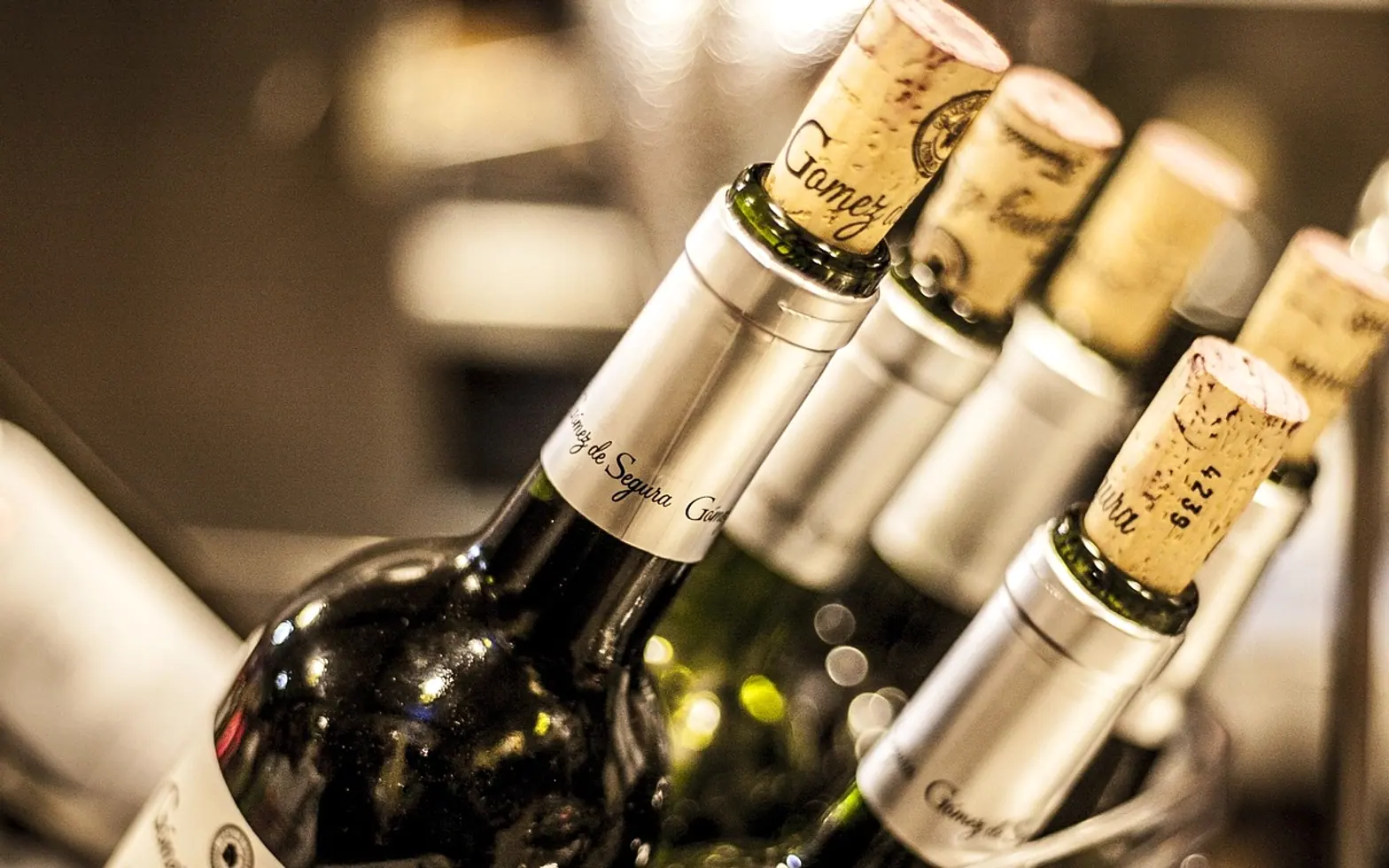
A handful of bottles bought on impulse is not a cellar. What turns a shelf into something dependable is a little structure: knowing why each bottle is there, when it should be opened and what will replace it. Ordering online makes that structure easier to keep, because selections are wide, details such as grape and style are listed clearly and deliveries can be timed. The approach below borrows a shopkeeper's mindset and scales it down to one household.
Think in three tiers
Small shops rarely stock at random. They hold a reliable core, a few seasonal or gift lines and a handful of special items. A home cellar works the same way.
- The house tier: two or three bottles you are happy to open on an ordinary Friday or when friends drop by unannounced. Consistency matters more than prestige here.
- The gift tier: bottles chosen to be handed over, ready for birthdays, thank-yous and dinner invitations. Having two on hand removes the last-minute dash to the shop.
- The keeper tier: a small number of bottles set aside for a specific milestone, or for tasting side by side with a friend who shares the interest.
Sparkling wine earns a place in all three. A crisp blanc de blancs champagne, made from white grapes and usually led by Chardonnay, is a favourite for many collectors because its fresh, citrus-bright style suits aperitifs, seafood and celebratory toasts alike, and it looks generous as a present.
Order with a calendar, not a craving
Look a few months ahead. Which birthdays, holidays and gatherings are coming up? Ordering against that list keeps the gift tier full and avoids paying for express delivery. Spreading purchases across the year also gives you room to try something new in each order, perhaps a rosé for summer lunches or a richer vintage style for winter dinners, without upsetting the budget.
Product pages are worth reading closely. Notes on grape blend, sweetness level and ageing on the lees help you predict how a bottle will taste and what it will pair with, and over time you will notice which descriptions match your own preferences.
Store it so it survives
- Pick the coolest, darkest spot in the home, away from radiators, ovens and sunny windows.
- Keep the temperature as steady as you can; slow, small changes are kinder than sudden swings.
- Lay corked bottles on their side if they will rest for a long time.
- Avoid places that vibrate, such as the top of a washing machine or fridge.
- Let a bottle rest for a while after delivery before opening it for a special occasion.
Keep a simple log
A notebook or a spreadsheet with four columns is enough: what you bought, when it arrived, which tier it belongs to and how it went down when opened. Add a line about the food or the occasion. After a few months that record tells you which house bottles to reorder, which gifts were appreciated and which styles to explore next.
Rotation then becomes almost automatic. When a house bottle is opened, a replacement goes on the next order; when a gift leaves the shelf, another takes its place. The cellar stays small, purposeful and always ready, and it is enjoyed best in moderation and only by adults of legal drinking age.
Questions? Write to us.
Suggestions help us plan.
Further in section E · Gift Ideas
-
 Furoshiki: How to Wrap a Gift in Fabric · 4 minutes
-
 White Elephant Rules: How the Gift Exchange Works · 4 minutes
-
 How to Tie a Bow With Ribbon · 4 minutes