Front DPart D · Guides & Tips № 13
Guides & Tips
Ramen, Science in a Bowl: Broth, Noodles, and Toppings That Work
The building blocks of a good ramen bowl explained: tare, broth styles, aroma oil, noodle texture and toppings, plus simple ways to order a bowl you will love.
2 minutes
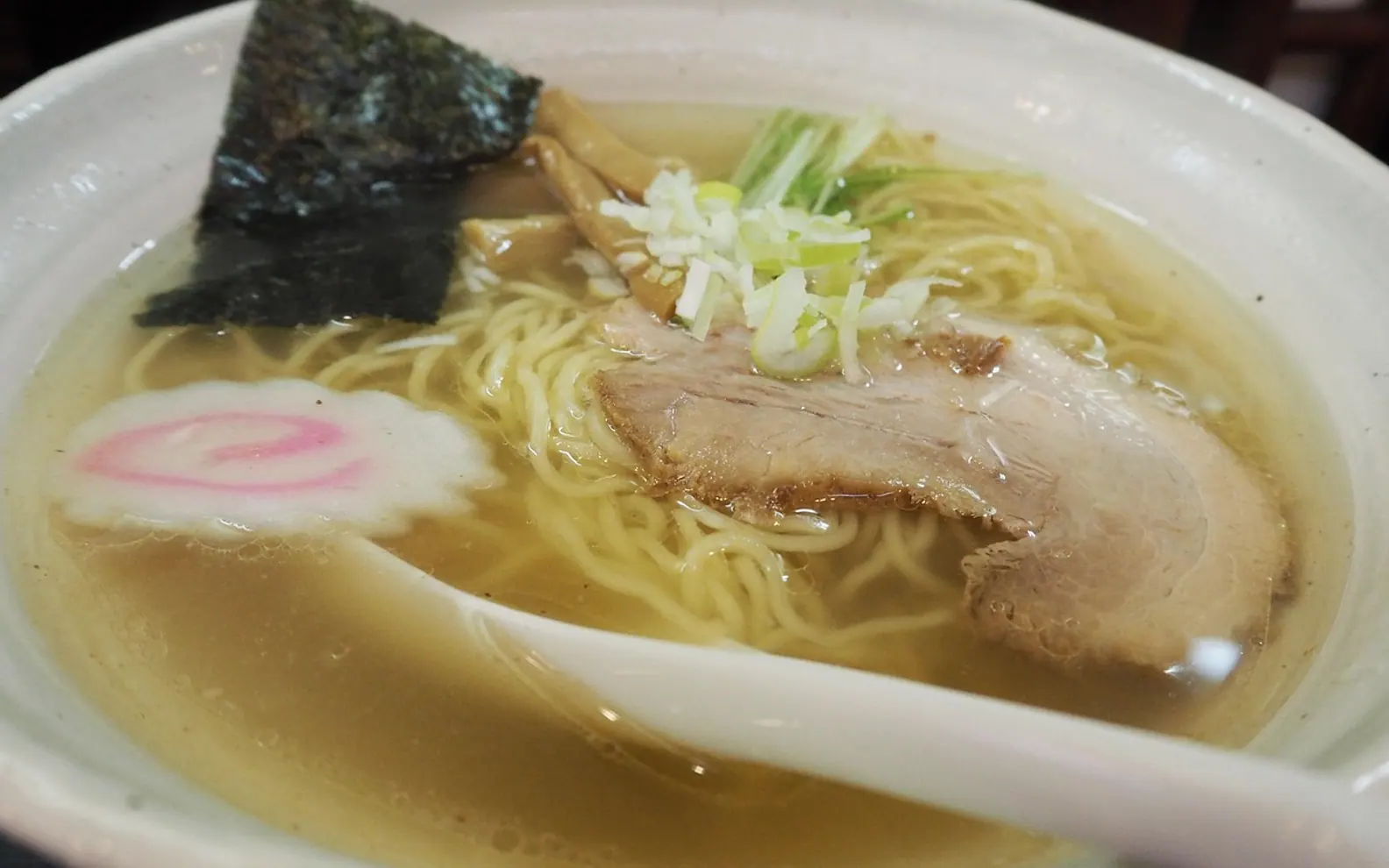
A bowl of ramen seems modest when it arrives: some soup, a tangle of noodles, a handful of garnishes. Behind that simplicity sits a carefully balanced system in which each component has a job. Understanding those jobs makes eating ramen more enjoyable and makes it easier to order a bowl that matches your mood.
The five layers of a bowl
Most ramen can be broken down into five parts that are prepared separately and combined at the last moment.
- Tare. A concentrated seasoning sauce spooned into the empty bowl first. It provides most of the saltiness and defines the bowl's character.
- Broth. The body of the soup, made from bones, vegetables, dried fish or seaweed, simmered for hours to extract flavour and, in some styles, collagen.
- Aroma oil. A small amount of flavoured fat, such as scallion, garlic or chicken oil, floating on top and carrying fragrance to the nose with every sip.
- Noodles. Wheat noodles made with alkaline water, which gives them their springy bite and yellow tint.
- Toppings. Sliced pork or chicken, a marinated egg, bamboo shoots, greens, nori and more, adding texture and contrast.
How broth styles shape the bowl
Ramen is often classified by its tare or base. Shoyu bowls, seasoned with soy sauce, tend toward savoury depth. Shio, or salt-based ramen, is usually lighter and lets the stock speak. Miso brings a rounder, slightly sweet richness, while tonkotsu, made by boiling pork bones hard for a long time, becomes cloudy and creamy as fat and collagen emulsify into the liquid. Each style suggests a natural noodle partner: lighter soups often come with thin, straight noodles, while heavy broths cling better to thicker, wavier ones.
Why speed matters in the kitchen
Ramen is a dish of timing. Noodles continue softening once they hit the hot broth, so shops cook them to order, drain them thoroughly and assemble the bowl in seconds. That is why many ramen counters keep short menus and efficient routines; consistency depends on repeating the same steps precisely. It is also why eating promptly matters. A bowl left to sit loses its texture quickly.
Ordering with intention
Many shops allow small adjustments, and knowing what to ask for helps:
- Ask for firmer noodles if you eat slowly or plan to order a second portion of noodles.
- Request a lighter seasoning if you find some broths too salty.
- Add extra greens or bean sprouts for crunch and freshness.
- Try a spicy oil on the side rather than mixed in, so you can control the heat.
Food lovers exploring Japanese cooking in Arizona will find that a good list of restaurants in Phoenix is a handy way to discover places where noodles, sushi and other dishes are prepared with this same care and attention to detail.
Enjoying ramen in balance
Ramen broth can be rich and salty, so many diners leave some of the soup in the bowl or balance a hearty meal with lighter food later in the day. Anyone following a particular diet for health reasons may want to ask about ingredients and check with a doctor or dietitian about what suits them. For everyone else, the best approach is simple: sit down, eat while it is hot and pay attention to how the layers come together.
Questions? Write to us.
Suggestions help us plan.